

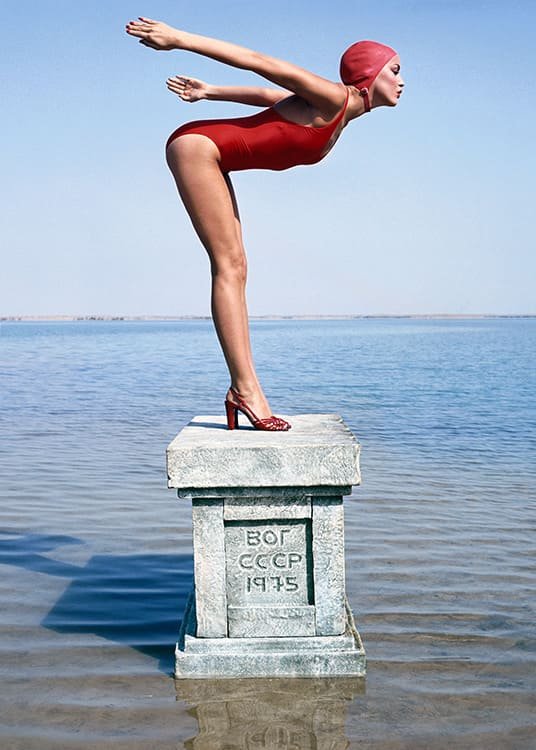
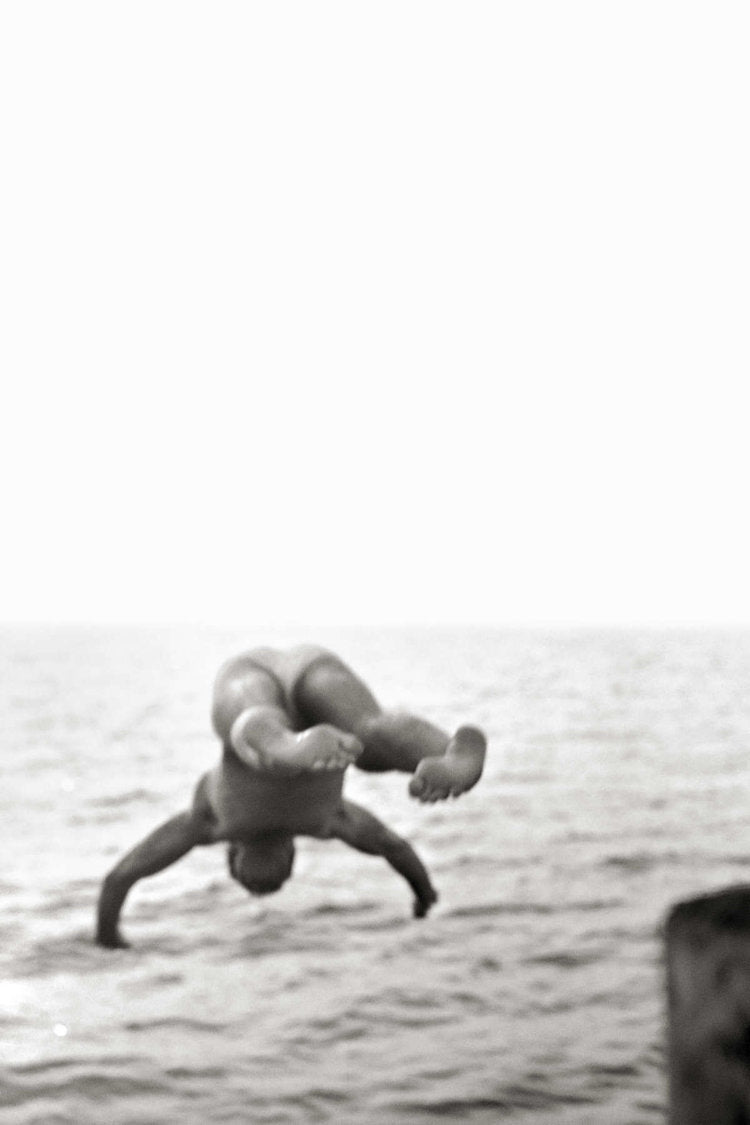
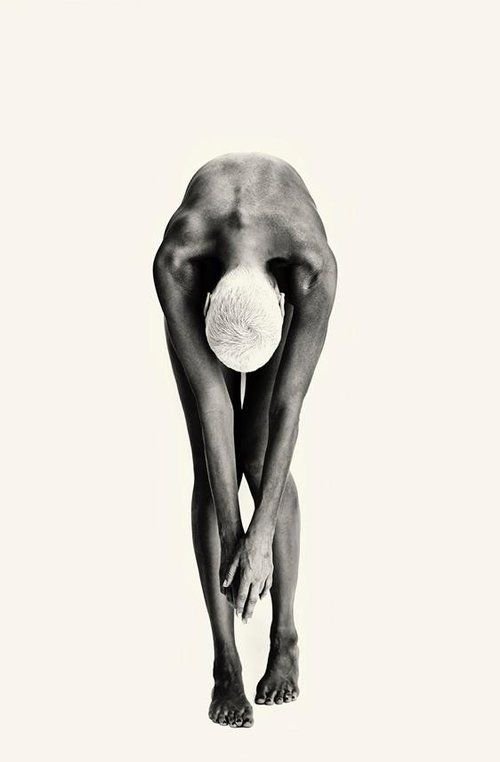
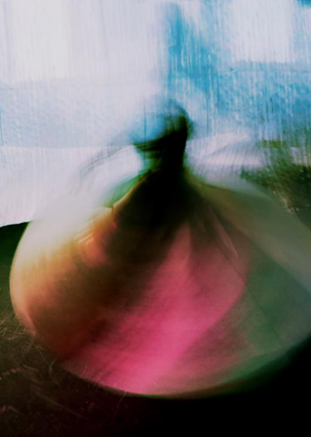


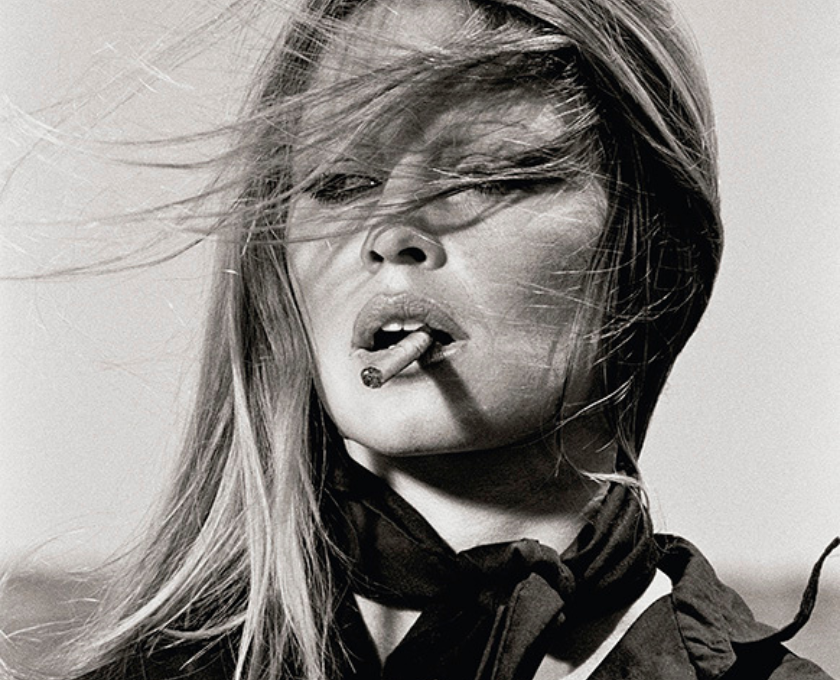

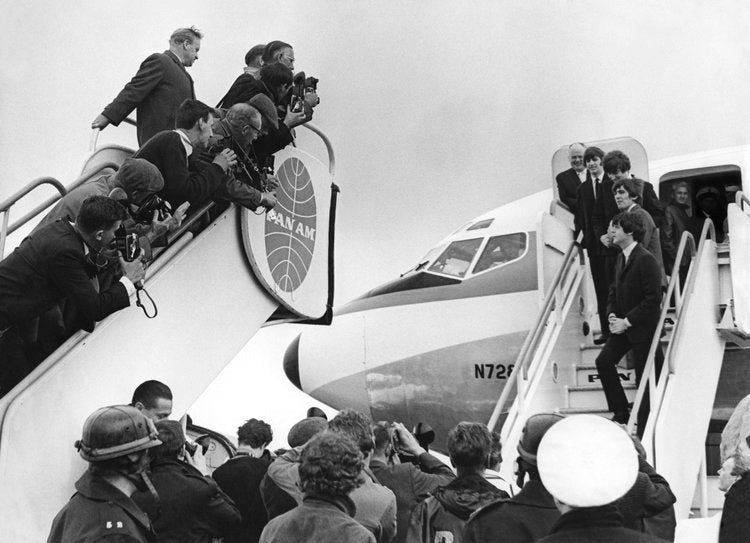
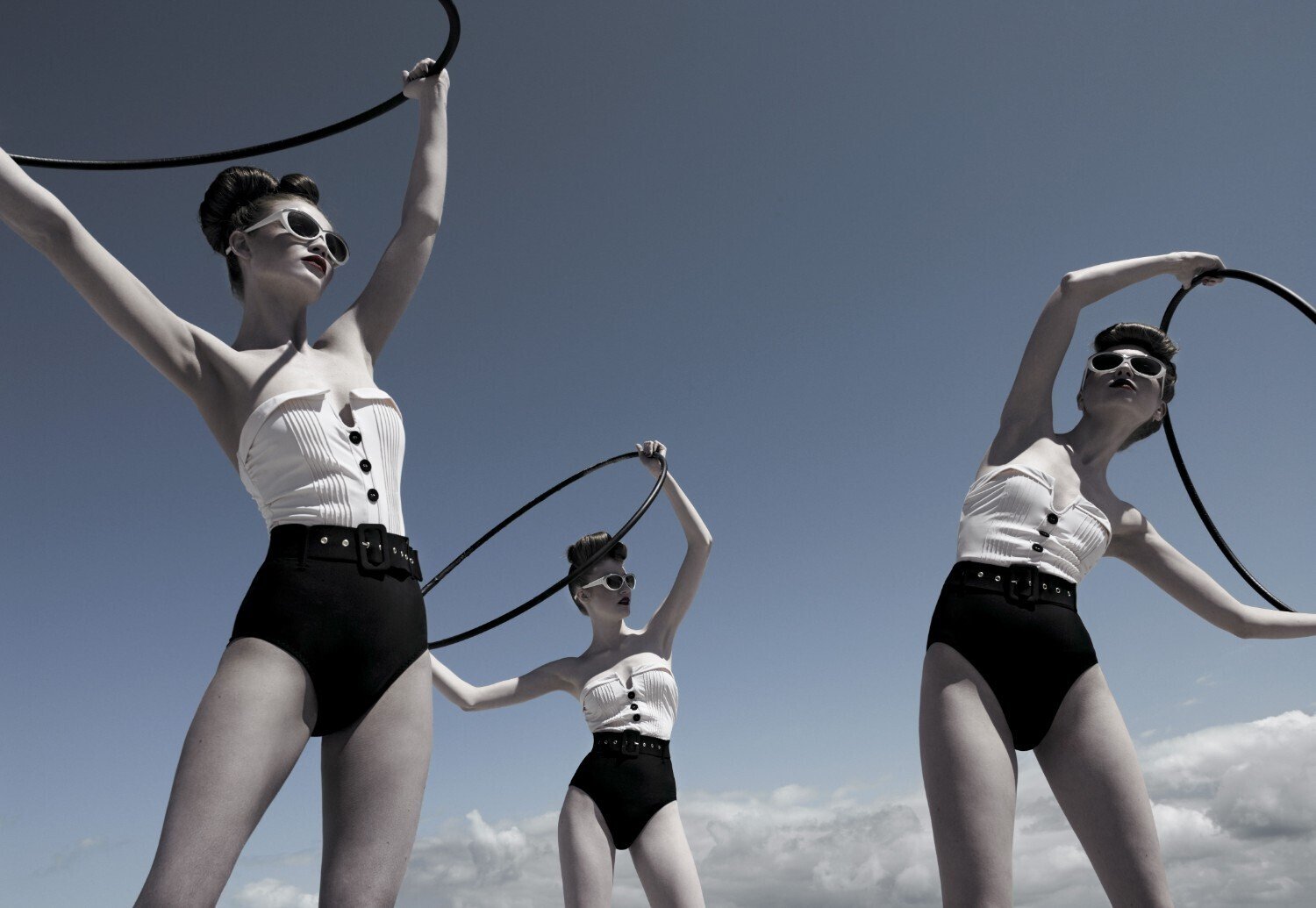
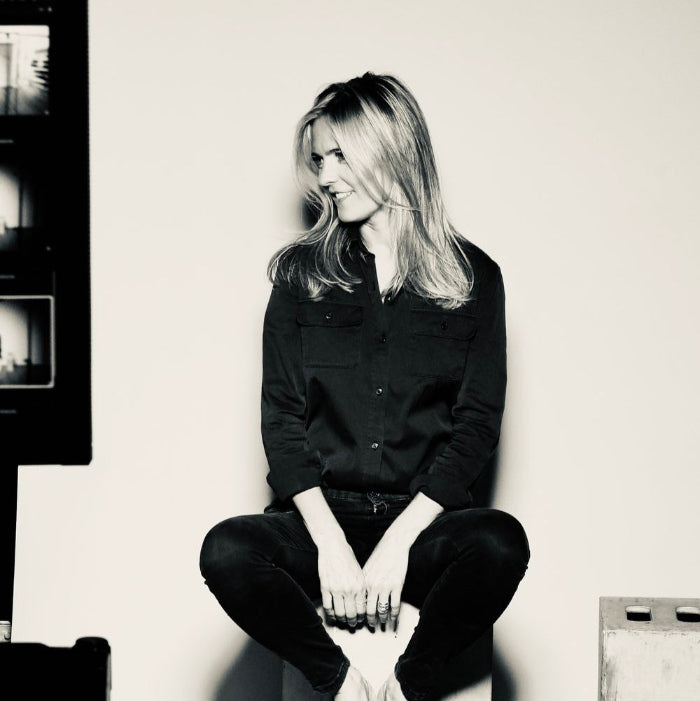

André Carrara builds up his subjects like a movie lover and his work is rich in cinematic references . In the manner of Rosselini, Bergman or Bunuel, who magnified their muses in Stromboli, Personna, Belle de Jour..., Andre pays tribute to these masterpieces with wonderful pictures directly inspired from the scenes of these movies. André Carrara creates beautiful women portraits, making up a story he unfolds in each of his reportages, looking for a scenery, setting an atmosphere, choosing his heroine, imagining his mises-en-scene.’


Biography
André Carrara was first introduced to photography when he was a teenager. He often accompanied his sister to the photographic laboratory where she was employed, he was given a camera and began to take photographs in Paris. These first images fascinated him and made him want to be a photographer. He learned about development and printing processes while attending evening classes at the Louis Lumière School. He was hired as an assistant at the age of 20 by the advertising agency SNIP. That was when he discovered fashion photography, frequenting Willy Rizzo, Fouli Elia, Guy Bourdin or Jean-Bernard Naudin, Carrara learned the trade and rounded off his training with the latter. In 1963, he made his first photo session for the agency, a famous campaign for Lacoste.
Antoine Kieffer, who was then Vogue France’s art director, was amazed by the quality of his black and white photos, gave him a chance, and commissioned his first photo reports. His career took off when Hélène Lazareff, founder of Elle Magazine in 1945, called upon him to join the publication. He went on to join other prestigious photographers who used to collaborate regularly, like Helmut Newton or Hans Feurer. Roman Cieslewitz had just joined the magazine as the art director. His arrival marked the renewal of the magazine layout, which he transformed according to his own graphic vision, characterized by the clarity and simplicity of the plastic expression.
Cararra’s collaboration with one of the greatest graphic designers of the second half of the 20th century was decisive for André Carrara: he perfected his style and then made a lot of very graphic reports with Cieslewitz. Their collaboration was interrupted by a three-year trip to the US where he captured photographs for Mademoiselle, Glamour... Back in France in the early 1970s, he resumed his collaboration with Elle and published his photos in many magazines like the British, German or Italian editions of Vogue, while becoming one of the main collaborators of the advertising agency MAFIA.
In the 1990s, at the request of Anna Wintour, André Carrara worked regularly for the American magazine Allure and other great reviews. However, the years 1980-2000 were above all the days of Marie-Claire and Marie-Claire bis for which he made, in collaboration with Walter Rospert and then Fred Rawiler as art directors, his most beautiful subjects and most beautiful photos.
— Isabelle-Cecile Le Mee, scientific director at the mission for photography, French Ministry of Culture
Interviews
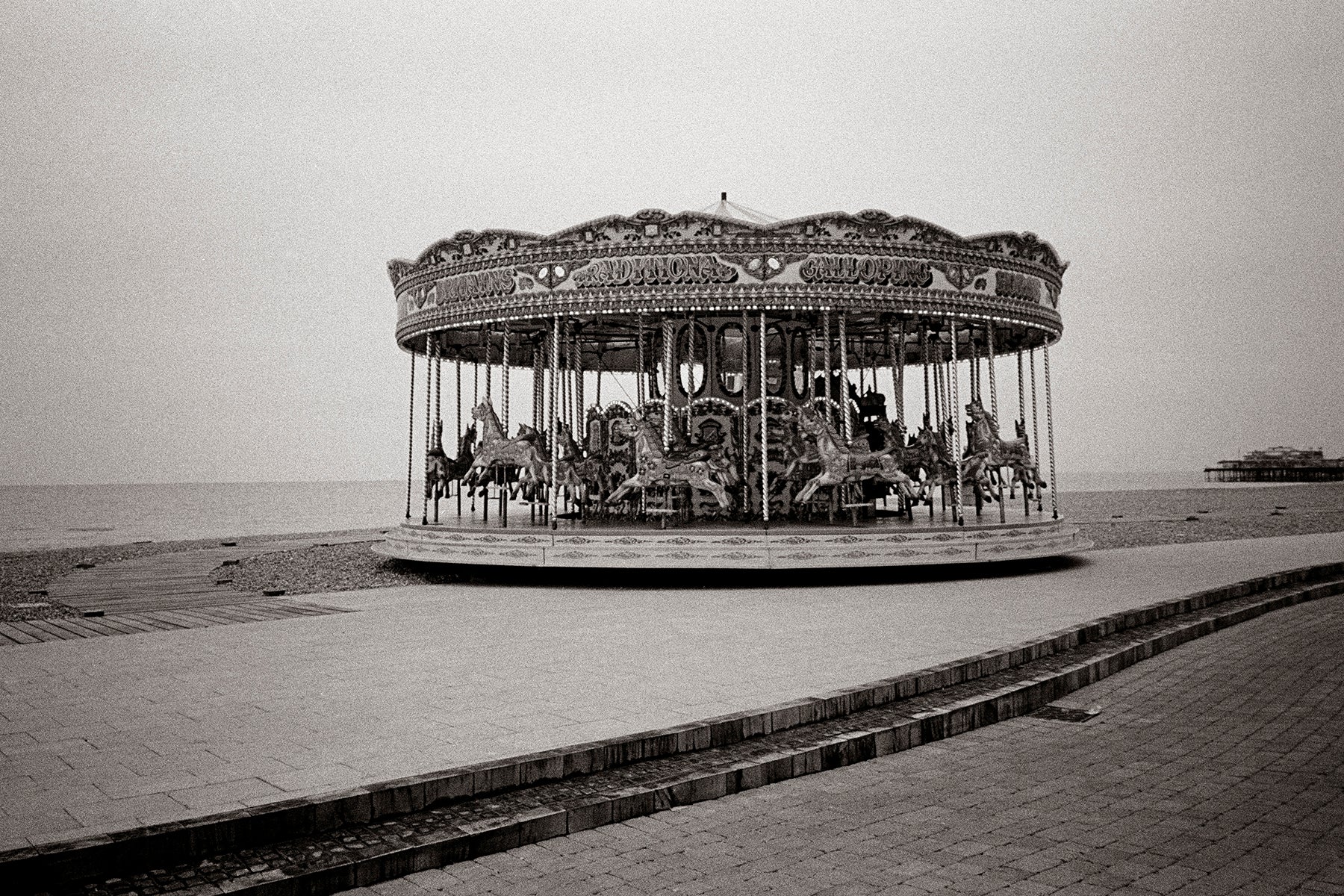
ABOUT “LE MANEGE”
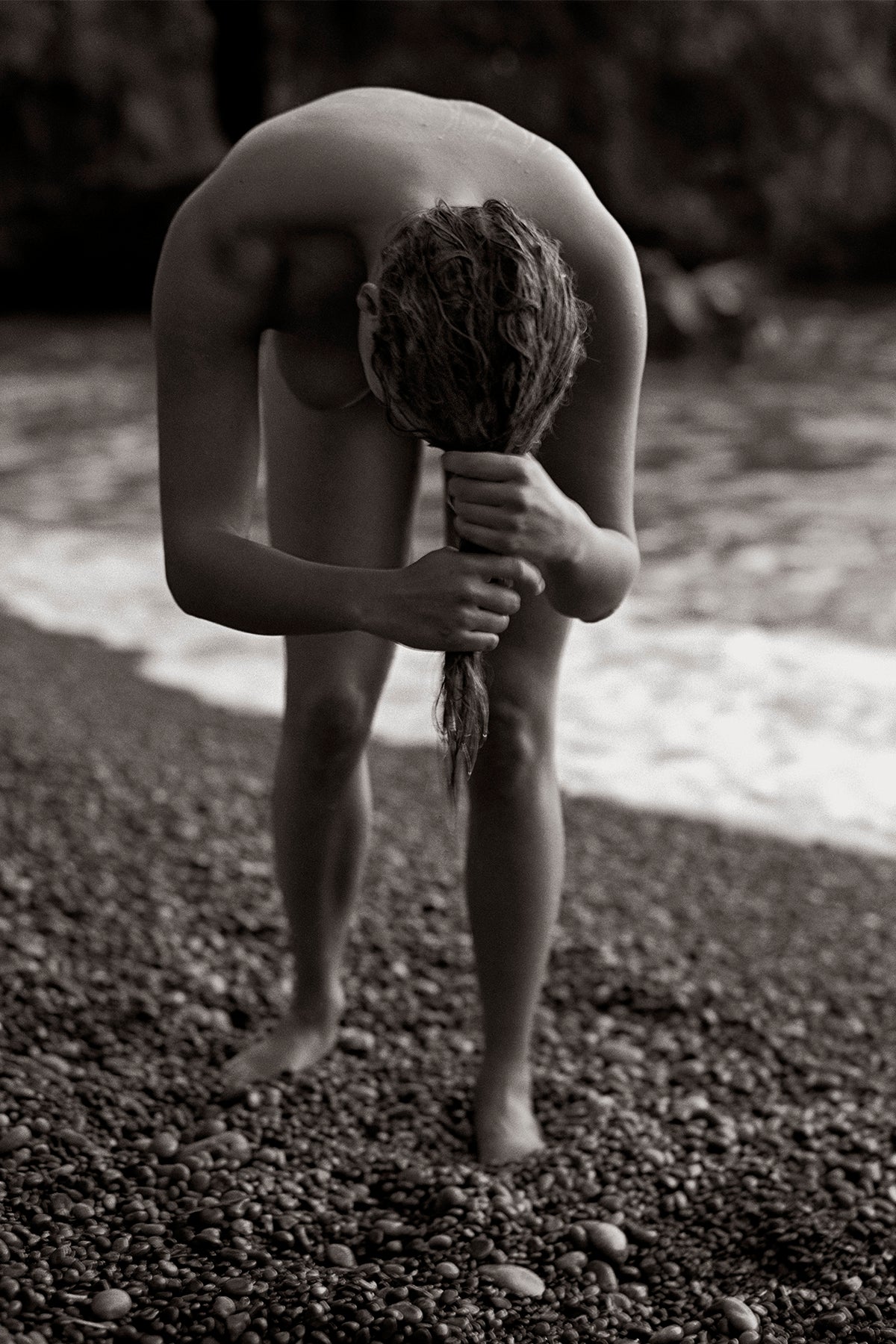
ABOUT “POSITANO”
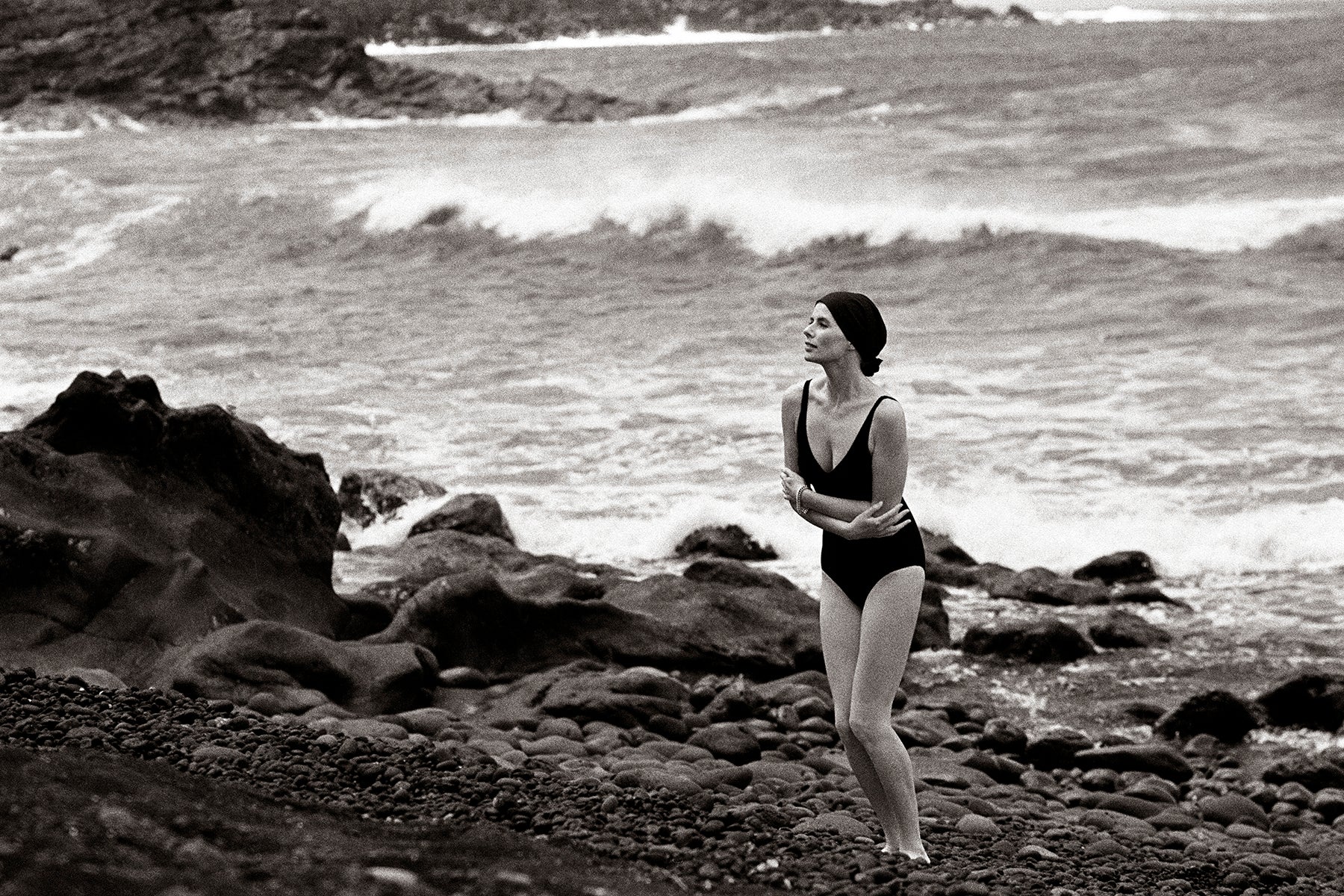
ABOUT “STROMBOLI”
Our Notes
Andre Carrara is one of those uniquely talented photographers whose work gets more sophisticated and profound the more we dive into it.
The French photographer is a very discreet, slightly anxious yet charming personality with an incredible culture and impeccable taste. Through the many interviews and conversations we had in Paris, I always left deeply inspired.
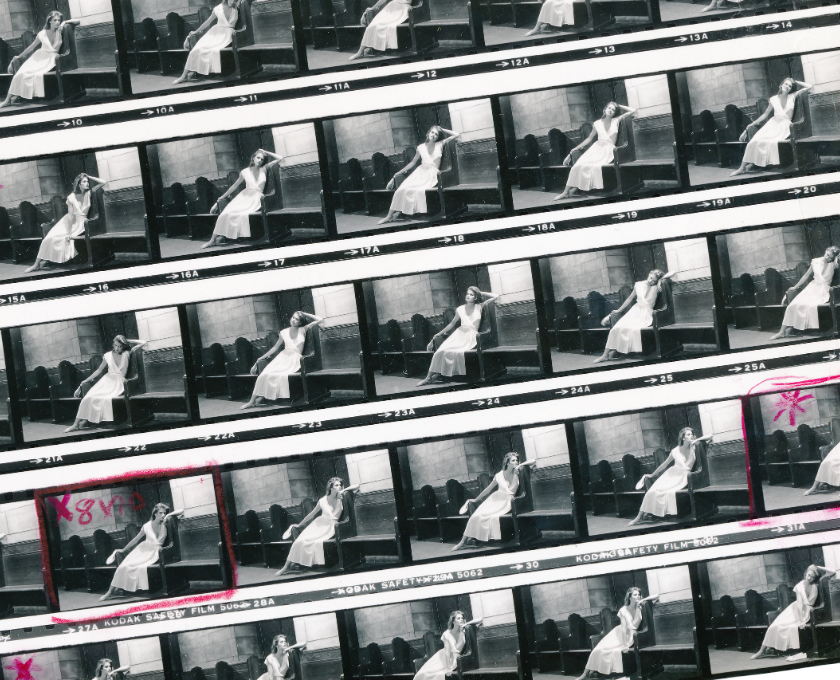
Throughout his extensive career, Andre Carrara has worked with the biggest names of the editorial world: Antoine Kieffer, who was then Vogue France’s art director; Hélène Lazareff, founder of Elle Magazine; Anna Wintour at Allure or Walter Rospert and Fred Rawiler, who were art directors of Marie Claire and Marie Claire Bis. His style is meticulous and precise. Composition and lighting have always taken a very central role in his elegant and stylish photographs. He shot on film and, as a cinematographer creates a storyboard before shooting a scene, he similarly worked with polaroids he then kept in little notebooks with short comments written on them. He still owns them as little treasures along with the magazines where his images have been published. Listening to Andre is listening to a storyteller, a movie fan, and a geographer.
Carrara’s work is very cinematographic, and to understand it, we need to pay attention to the message carried by the location choice. Carrara creates stories inspired by the significance, heritage, and history of a specific place and transforms them into photographs. As he shared in one of our interviews together, “My images are not fashion images. They are closer to a short film, to a freeze-frame shot.”
His series called Stromboli is like a freeze-frame of the namesake film. With this image of a young woman climbing the slope because of the volcano’s eruption, Carrara encourages the viewer to enter the story of this woman who lives on the island.
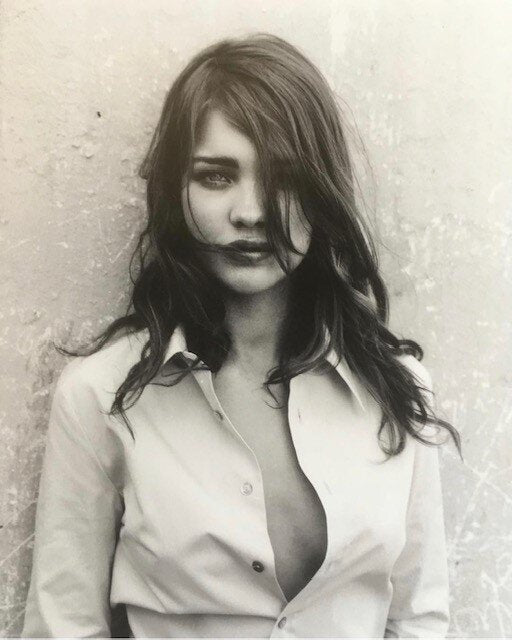
In his portrait of Natalia Vodianova shot in 1999 in the Madeira Islands of Portugal, the model seems to embody previous generations of Portuguese women, their strength, their elegance, and distance. When looking at this powerful portrait, I travel to what I imagine being the 50’s in South Europe, like in a movie, but with the broader opportunity to imagine, I would get from reading a book. That is the magic of Andre’s work.
BOOKS & Publications

André Carrara, Regards, 2021


Marie Claire, France, Nov 1999


Marie Claire, France, Nov 1995


Marie Claire, France, 1995

Marie Claire, France, Nov 1997

Marie Claire, France, 1994
Exhibitions
- Exposition Los Angeles Art Show 2011
- Collection Fondation Bernard Magrez
- Festival des Nuits de Pierrevert 2011
Marie Claire, France, 1994
Marie Claire, France, 1995
Marie Claire, France, 1995
Marie Claire, France, Nov 1995
Marie Claire, France, Nov 1997
Marie Claire, France, Nov 1999
interviews of the artist commenting on his images
