



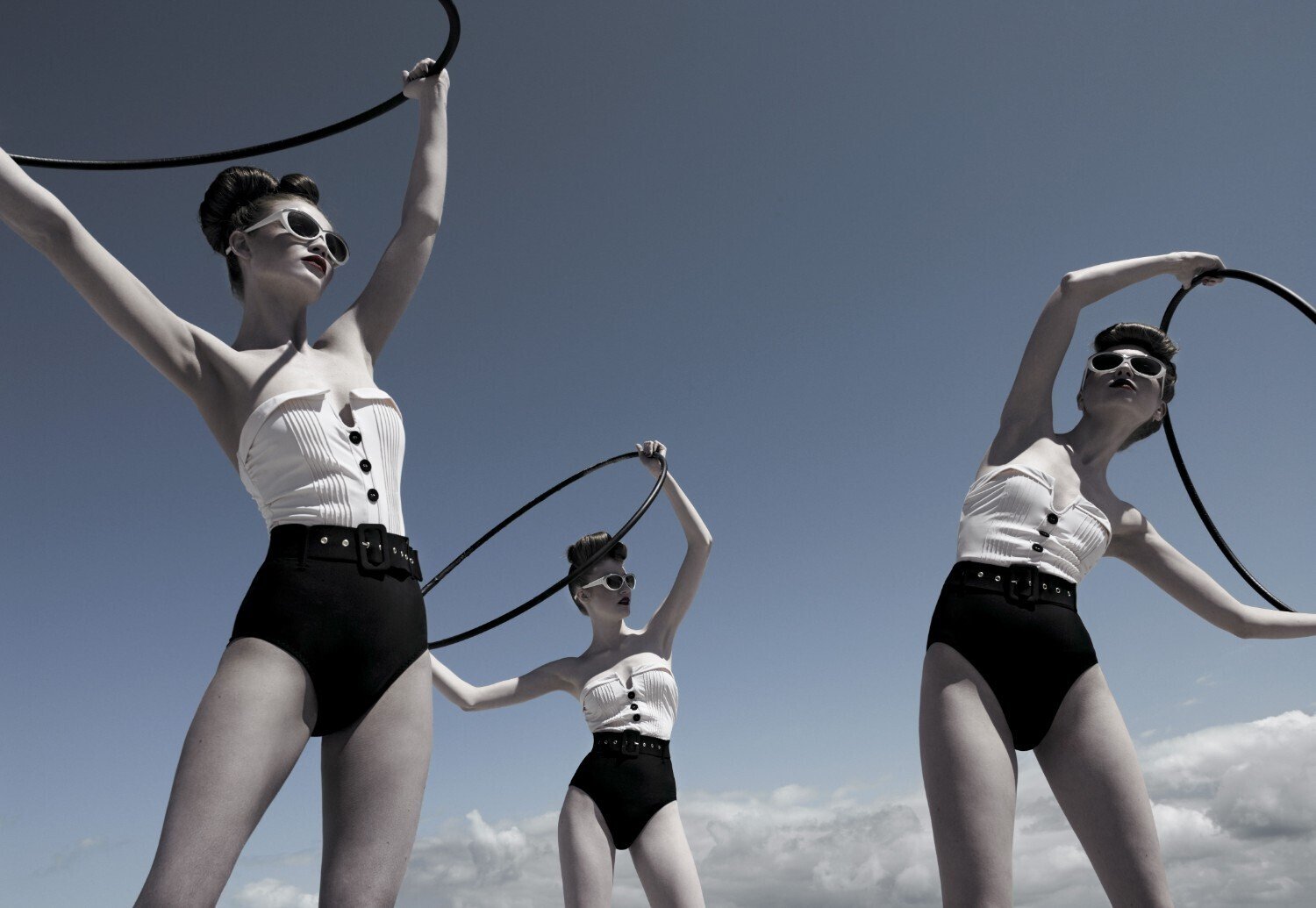
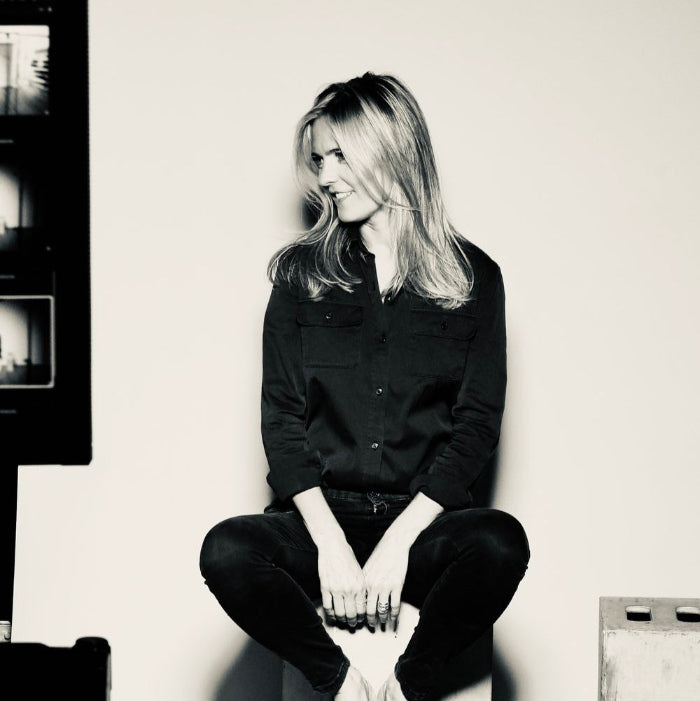
Jacques Olivar’s photographic works can be found frequently in the pages of the most prestigious international fashion magazines such as: British Vogue, Italian Uomo Vogue, Spanish Vogue, French Glamour, German Vogue, Vogue Homme International, French Marie-Claire, Italian Marie-Claire, Marie-Claire Bis and Marie-Claire USA.
Alongside his editorial work, Olivar has created campaigns for: Burberry, Céline, Giorgio Armani, Givenchy, Hermès and more.


Biography
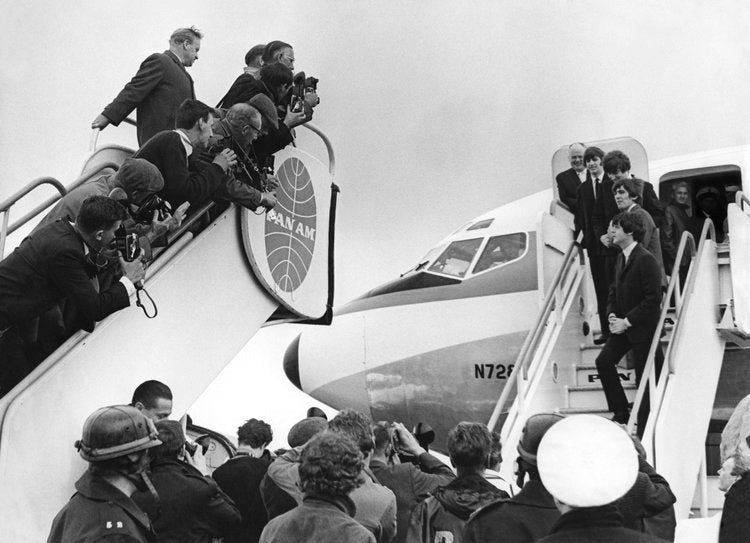
Jacques Olivar was born in Casablanca. As a young man, he went to flight school to become an airline pilot. However, the immense pleasure he got from flying airplanes didn't avert his overflowing passion for images. Olivar’s photographic career took off rapidly after winning First Prize from the Art Directors Club for his advertising campaign for DIM stockings, winning several other first place prizes following this success.
In 1987 Olivar made the switch to fashion photography, since then his works have regularly featured in the pages of the most prestigious international magazines such as: British Vogue, Italian Uomo Vogue, Spanish Vogue, French Glamour, German Vogue, Vogue Homme International, French Marie-Claire, Italian Marie-Claire, Marie-Claire Bis and Marie-Claire USA.
Olivar’s commercial clientele is equally impressive, creating campaigns for: Burberry, Céline, Giorgio Armani, Givenchy Cosmetics, Givenchy Fashion, Hermès, Lancôme Cosmetics, Lancôme Fragrances, Trussardi, Strenesse and more.
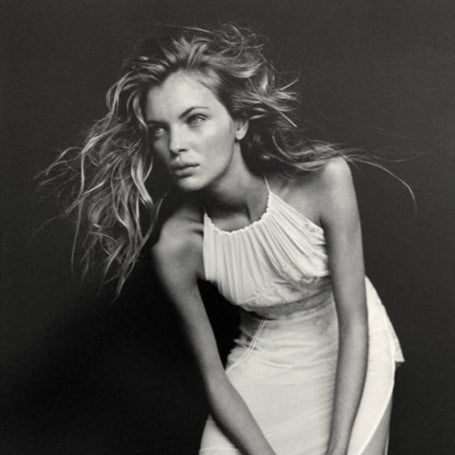
At the core of Jacques Olivar’s photographic works are key elements of emotion, elegance, and beauty. True to his conception of humanity, his photography is sensitive before being technical and its modern character results from the casual elegance of the women he photographs. Through a combination of simple elements, Olivar’s works are imbued with a strong sense of sophistication and harmony.
“Nothing interesting happens unless there’s a relationship, a poetic relationship in away, with the person you’re working with.”
— Jacques Olivar
Our Notes
After initially training as an airline pilot, Jacques Olivar found himself looking towards creative avenues in search for something more. In doing so, he found his love for photography and subsequently fashion photography, which is now his sole photographic pursuit, as he expresses, “Fashion is a kind of projection of everything that’s changing in the world.”
The photographic works of Jacques Olivar are all about feeling, the emotional approach he takes towards shooting is what makes his works unique. Olivar strongly believes the relationships on set between himself, the model, and the team are extremely important in the creation of captivating images. This is evident in the way he describes each of his photographs with immense detail pertaining to the models he worked with, writing highly of their individual personalities and of qualities that they brought to the specific photo-shoot. This speaks to the extremely humble approach to photography that Olivar takes. Believing in the importance of the team to create great images Olivar credits the hair, makeup and clothing stylists, technicians, assistants, and of course the models, all with equally significant roles in the creative process. Jacques Olivar shares,
“I think the important thing is that the photo exists before it is made…there's something there, it's an emotion, a mystery, I don't know. There’s a relationship present…I think that the photo is made beforehand.”
The notion of an image pre-existing speaks to the significance Olivar places on collaboration and relationships, as he believes that the ambience and atmosphere of the shoot, rather than the technical elements, is what makes the image.
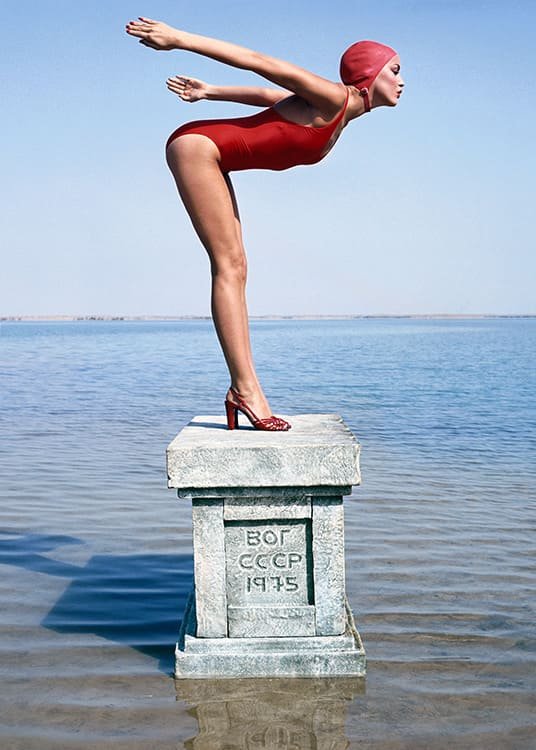
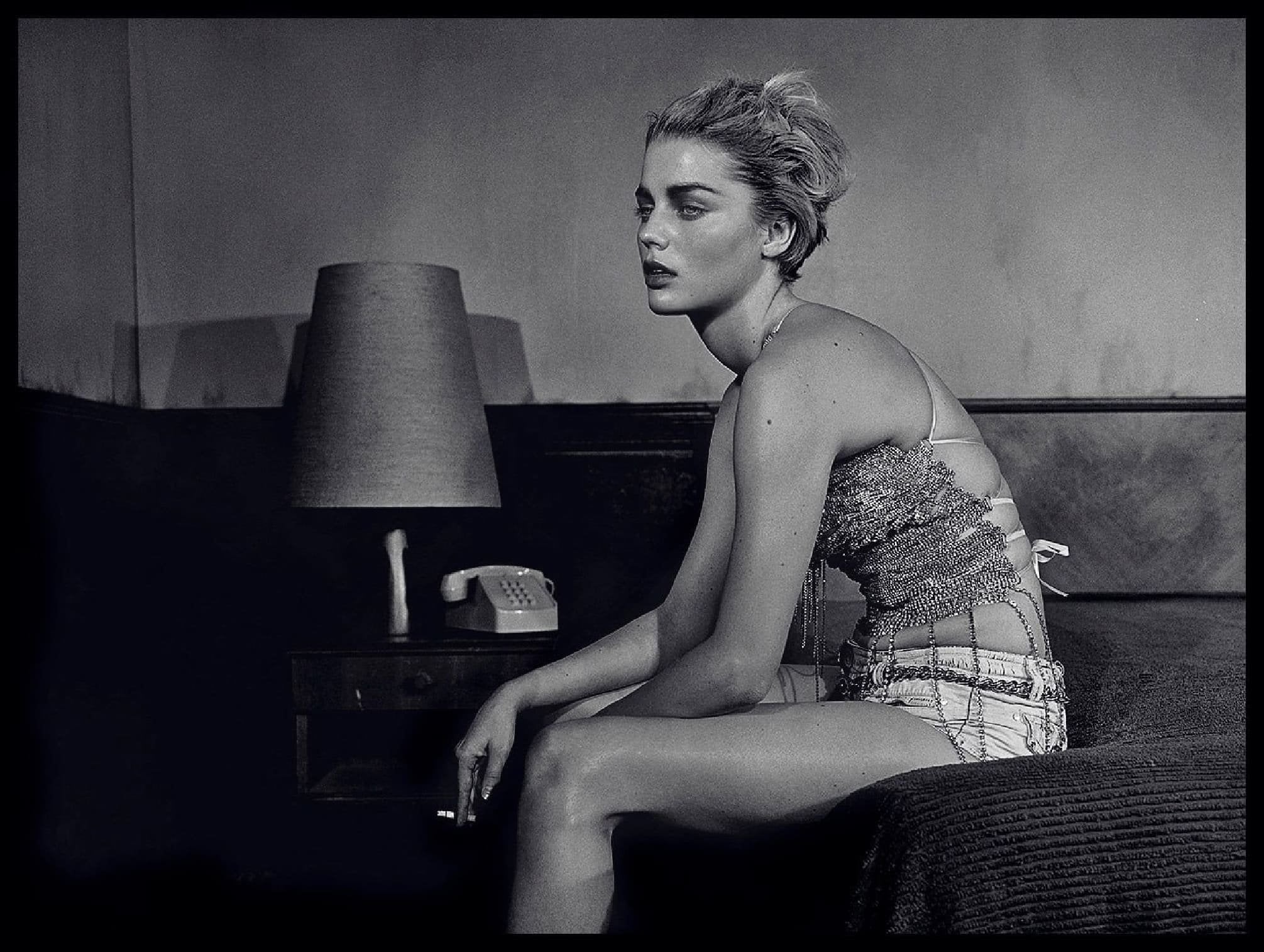
A central element to many of Olivar’s works is the presence of characters and narrative. Many of his photographs achieve a cinematic quality with their crisp quality and glossy sheen, a lone woman sits in contemplation or tentatively holds the phone, appearing like stills from a Hollywood film. This act of storytelling in his works is often achieved through mysterious scenarios hinted at through the backdrop, such as, a car, a dimly lit street, or a glamorous interior. His models pose like actresses and are adorned in clothing that often becomes somewhat of a costume, signaling clues to the viewer about the scene. An element of perfectionism is also visible in Olivar’s staged scenes, a quality he accredits to his time as a pilot, a professional that allows for no mistakes and so he learned to be precise.
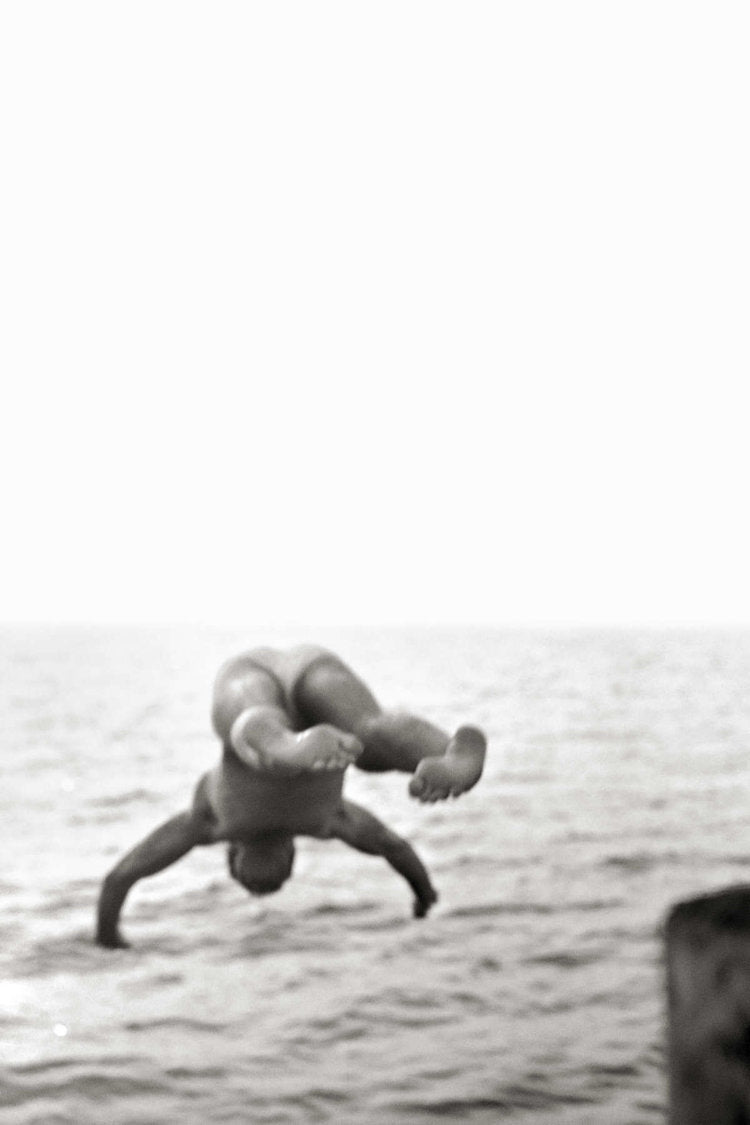
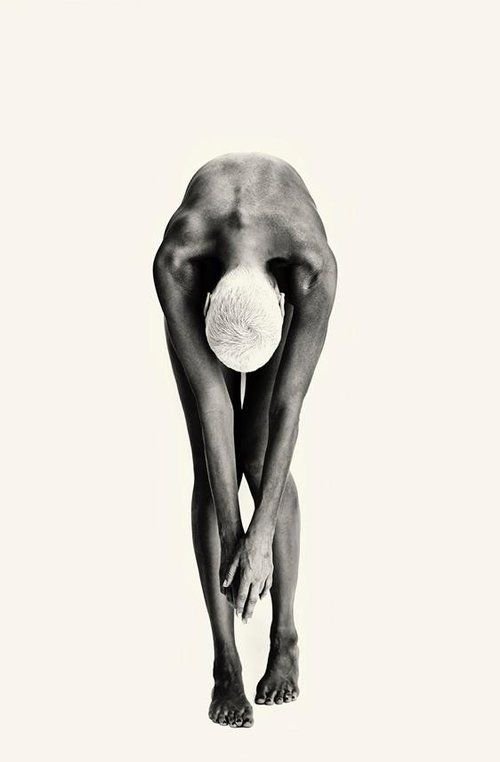
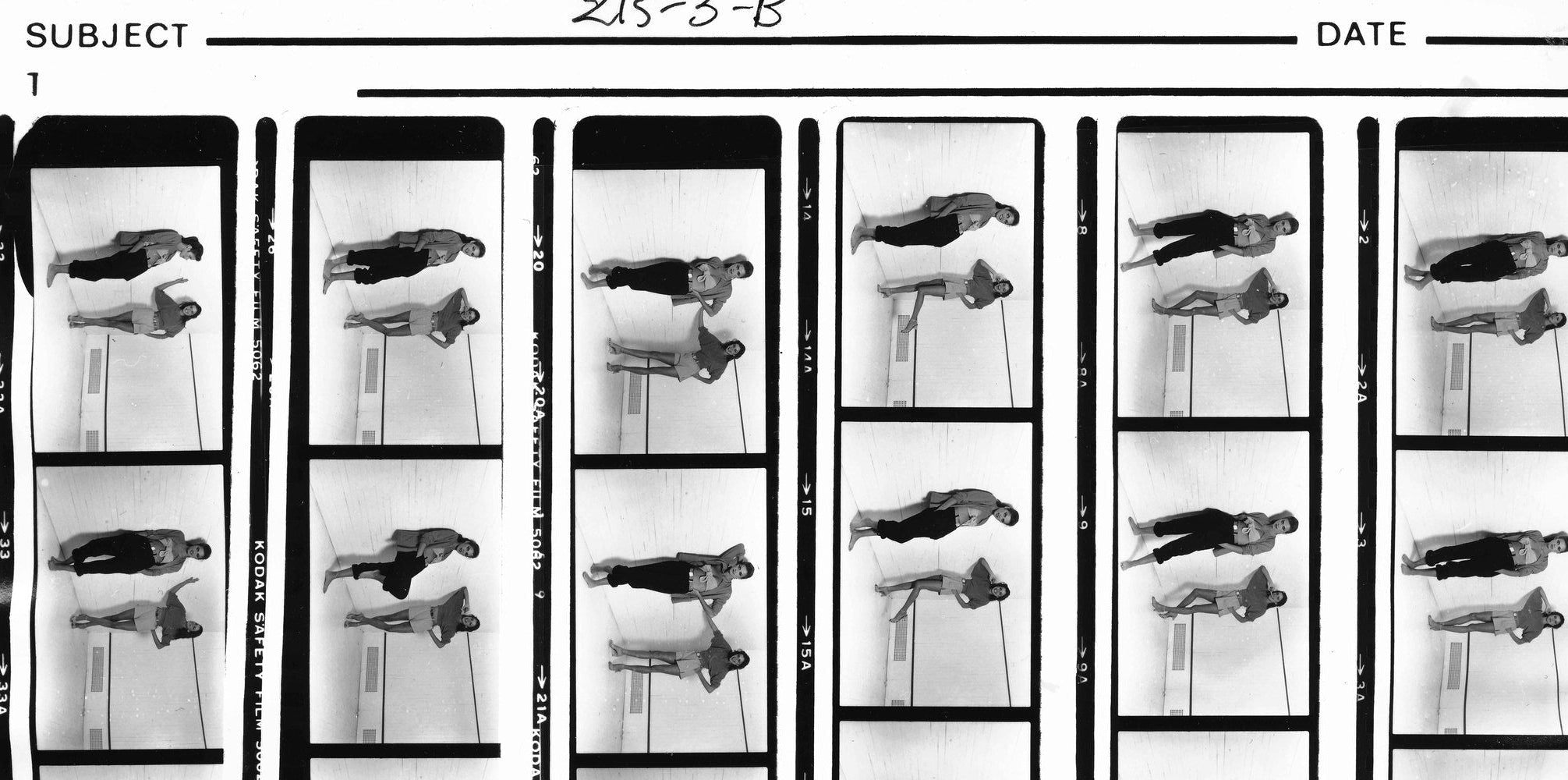
Jacques Olivar’s photographic style is varied and multifaceted, alongside his richly colored cinematic images much of his work consists of soft-focus black and white photographs which experiment with a grainy texture. In these works, Olivar’s emotional approach is at its most visible, with the models often appearing at ease in candid or casual poses with a relaxed look and windswept hair. The relationships Olivar builds with his models is clear in his photography as he captures a sense of their personality and essence.

Exhibitions
April - September 2018: Solo exhibition “Another day in Paradise,” Photo House Gallery, Brussels.
February - June 2018: “Italiana” Palazzo Reale, Milano.
March - April 2018: Solo exhibition “Just like a woman,” Catherine Niederhauser, Lausanne
2008: The Curated Object, Courtesy of Giorgio Armani, The Metropolitan Museum of Art, New York City.
2001: “Giorgio Armani Exhibition,” Guggenheim Museum, Bilbao.
1994: "A positive view," Sotheby’s, Gala Charity Auction sponsored by British Vogue, London.
1992: Louvre's Carousel Exhibition of Nominees Photographers, Louvre Museum, Paris.
1992: Nominee at the International Festival of Fashion Photography, Monaco
